All learning experiences

eLearning / Articulate Rise 360

Ethical and Inclusive AI in Online Course Design

Articulate Rise 360 + Storyline 360 · Graduate Instructional Design Project — University of Memphis

A longer, more scaffolded course on ethical and inclusive AI use in online teaching, built in Rise 360 with a custom Storyline 360 branching scenario embedded where decision practice was needed.

  • Articulate Rise 360
  • Articulate Storyline 360

Selected Course Walkthrough — This section contains the embedded Storyline branching scenario.

View additional course sections

1. Introduction + Start Here: Orientation & Navigation

2. Foundations of Ethical AI Use

3. AI Supporting the Community of Inquiry (CoI)

4. Building an Inclusive AI-Supported Activity

5. Evaluation Plan

6. Knowledge Check

7. Summary

Project overview

This course was developed as part of master's-level instructional design coursework at the University of Memphis. It addresses ethical decision-making, inclusive design, Community of Inquiry concepts, the development of AI-supported learning activities, and evaluation planning.

The course is organized into seven parts: Start Here (Orientation & Navigation), Foundations of Ethical AI Use, AI Supporting the Community of Inquiry, Building an Inclusive AI-Supported Activity, Evaluation Plan, Knowledge Check, and Summary.

Audience

Instructors and instructional designers working in online and blended course design who are deciding how, when, and whether to use AI in their own teaching practice.

Learning need

AI guidance for educators is frequently either abstract policy language or tool tutorials. Neither helps someone decide what an ethical, inclusive AI-supported activity should actually look like in their own course.

The course therefore had to move learners from principles, through a framework, into building and evaluating something of their own.

Instructional design rationale

This project demonstrates a different level of instructional complexity because the audience, content, and learning goals required it. The course addresses ethical decision-making, inclusive design, Community of Inquiry concepts, development of AI-supported learning activities, and evaluation planning. Its structure therefore includes more extensive orientation, conceptual scaffolding, application, and assessment than the shorter community-learning courses.

The tool followed the learning need — not the other way around.

Why this course includes orientation and navigation

Orientation is a design decision rather than a feature every course automatically needs. Because this course is longer, includes multiple conceptual components, and asks learners to move through several types of activities, I included explicit orientation and navigation guidance to establish expectations and reduce uncertainty before learners reached the more demanding content.

The shorter Friends For All learning experiences use simpler and more predictable navigation, so extensive front-loaded orientation was unnecessary. The amount of learner guidance was intentionally matched to the complexity of each experience.

Storyline integration inside the Rise course

Standard Rise interactions were appropriate for much of the course, but this portion of the experience required more complex decision practice. I developed a branching scenario in Articulate Storyline 360 and integrated it into the Rise course, allowing learners to work through decisions and consequences in a more customized interaction while maintaining Rise as the overall responsive learning environment.

Design decisions

Orientation scaled to course complexity
A dedicated Start Here lesson sets expectations before learners reach conceptual content, because this course is long enough and varied enough for uncertainty to become a real cost.
Concepts introduced before application
Foundations of Ethical AI Use and the Community of Inquiry lesson build shared vocabulary first, so the build activity is an application task rather than a guessing task.
Storyline used only where Rise could not carry the objective
The activity-building lesson asks learners to weigh trade-offs. A branching interaction lets them see consequences; a standard Rise block would only let them read about them.
Evaluation planned as part of the course, not after it
Including an evaluation plan lesson models the practice the course is teaching: deciding how you will know something worked before you build it.

What this project demonstrates

  • Designing learning architecture that matches audience, content, and task complexity
  • Conceptual scaffolding across a multi-part course
  • Integrating a custom Storyline interaction inside a Rise learning environment
  • Assessment and evaluation planning

Reflection

Treating this as one course rather than seven separate artifacts was itself a decision. The lessons only make sense in sequence — the branching scenario, in particular, depends on the framework established earlier. If I revisited the course, I would tighten the Foundations lesson and move more of that material into the applied activity.

Related projects

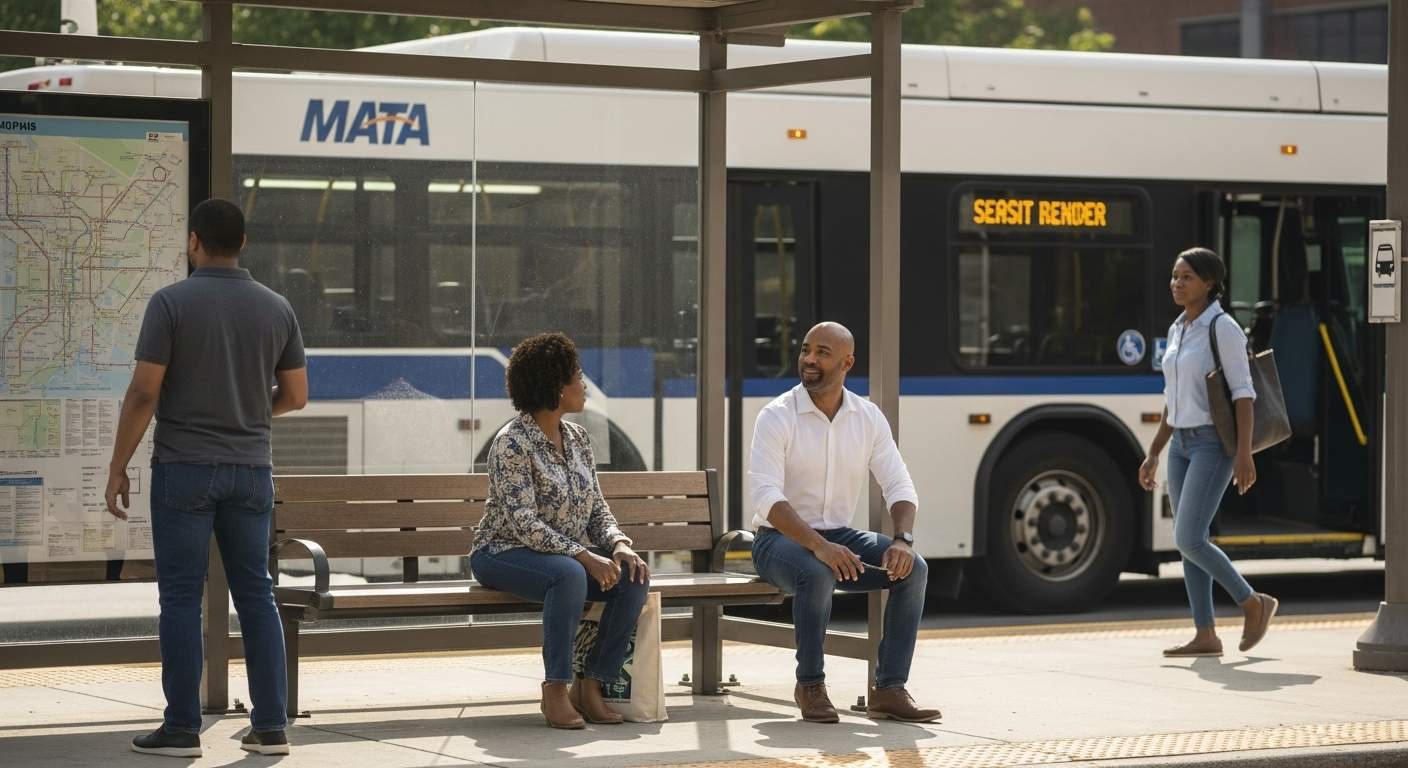
Opening screen from the Navigating Public Transportation in Memphis course walkthrougheLearning / Articulate Rise 360

Articulate Rise 360

Navigating Public Transportation in Memphis

Community Education — Friends For All

A streamlined Rise 360 course helping adult community learners build confidence using public transportation in Memphis, with interactions chosen to reduce cognitive load rather than to demonstrate complexity.

  • Articulate Rise 360
View Case Study
Opening screen from the Smart Shopping course walkthrough recordingeLearning / Articulate Rise 360

Articulate Rise 360

Smart Shopping: Practical Skills for Everyday Savings

Community Education — Friends For All

A Rise 360 course giving adult community learners low-risk practice recognizing and applying practical shopping strategies in everyday purchasing decisions.

  • Articulate Rise 360
View Case Study
Screen from the Inclusive AI branching scenario interaction walkthroughCustom eLearning / Articulate Storyline 360

Articulate Storyline 360

Inclusive AI Branching Scenario

Branching Scenario / Decision Practice

A Storyline 360 branching scenario giving learners active judgment practice with inclusive AI decisions. Built for the Ethical and Inclusive AI course and shown here as a standalone Storyline development example.

  • Articulate Storyline 360
View Case Study

Get in touch

Questions about this project?

I'm glad to walk through the analysis behind the decisions, or how I'd adapt this approach to your organization.